Professor Mohamed Pourkashanian OBE
Managing Director


Implementing new and complex technology carries many risks: Cost, human error, technical vulnerabilities and sometimes the 'unknown unknowns'. Our comprehensive modelling and simulation capabilities help mitigate these risks and enable users to predict, evaluate and understand key processes and interactions, from the molecular scale to wider societal impact.
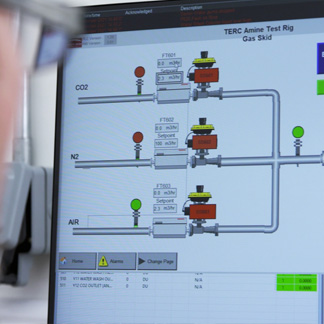
We offer wide range of digital research methods to assist in determining the technical, financial and environmental parameters of a wide range of energy technologies.
Our process modelling capabilities provide a detailed outline of a process: size, types, dimensions, duties, utilities, costs, quantifies material and energy flows. This enables improved and optimised designs, saves time and human error and can serve a basis for TEA or LCA.
Learn More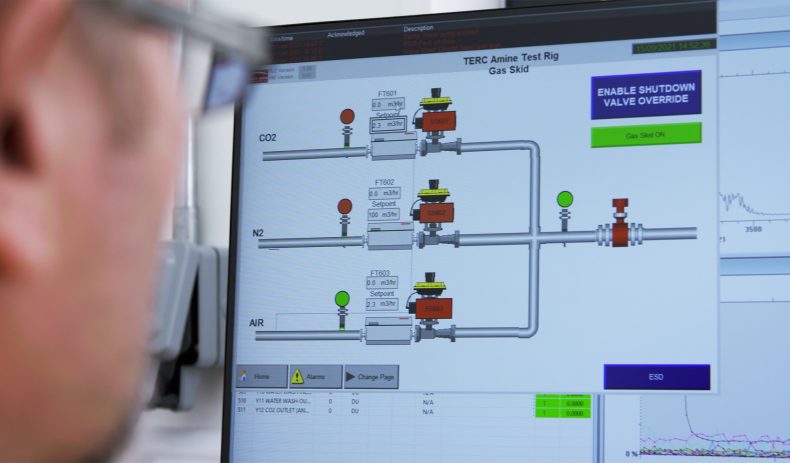
These are two methods used to study molecules and chemical reactions at the atomic level. In chemical and process engineering, they help us understand how molecules behave, react, or interact with various surfaces.
Learn More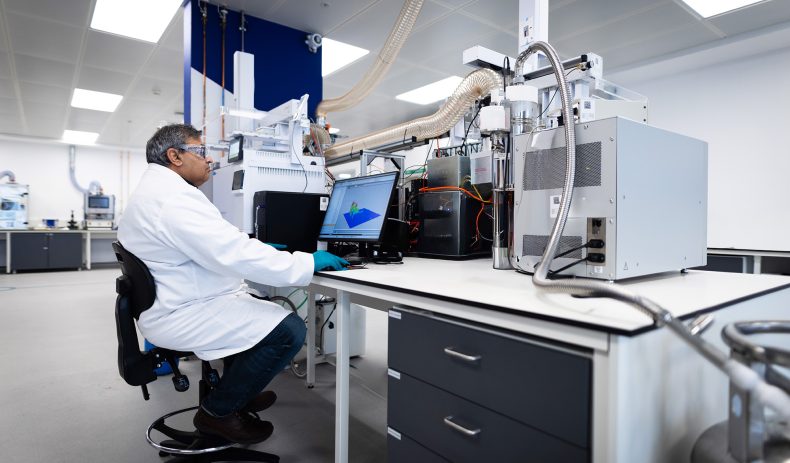
We're experts in using advanced models to understand and improve how fuel cells, hydrogen electrolysers, and CO2 separation membranes work. This allows us to optimise the design and operating conditions of these units to make them more efficient and last longer.
Learn More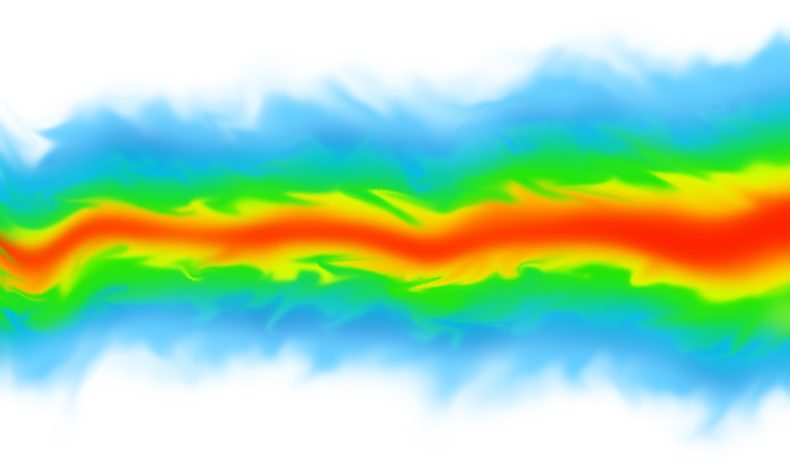
We help partners evaluate the economic and environmental performance of their processes or products. We analyse costs, revenues, and profits to understand if a project is financially feasible (TEA). We also assess the environmental impacts, such as global warming potential, from raw materials to disposal to support sustainable decisions (LCA).
Learn More
Explore our state-of-the-art modelling and simulation capabilities.
Facilities and equipment
We can provide a range of complementary validating systems, including...

Entrained metal aerosols: Use of a unique continuous online inductively...
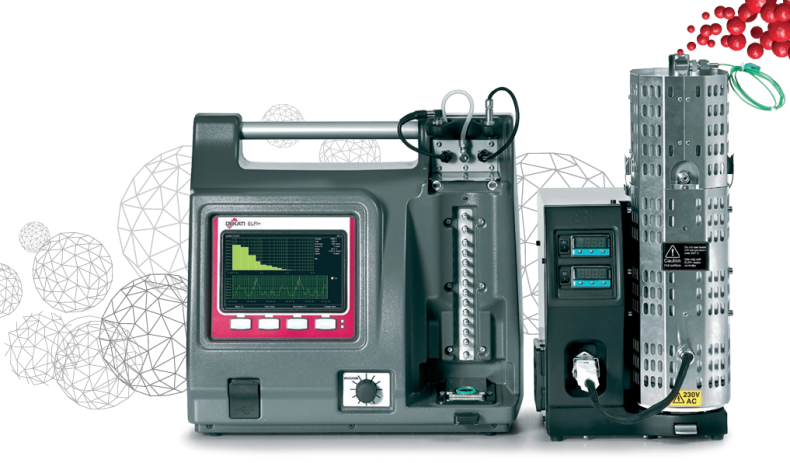
Wide particle size range 6 nm – 10 µm with...
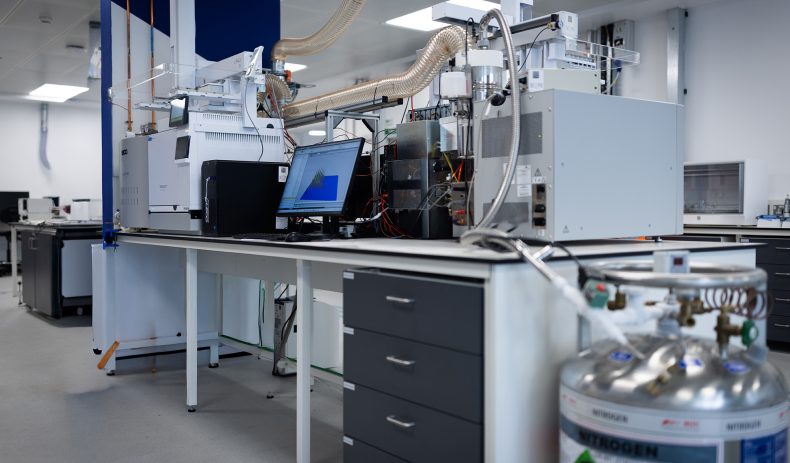
Signal stack gas analyser system (O2, CO2, CO, NOx, THC)...
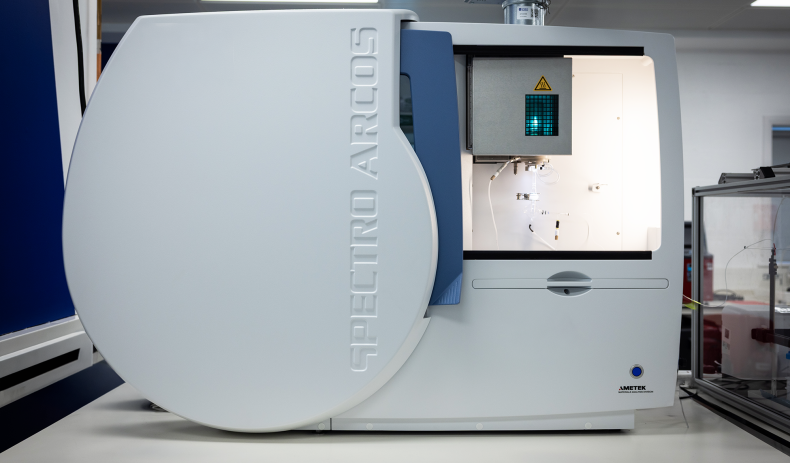
This can also be used with digested ash samples from...
Our team of expert academics and dedicated professional staff help to support world-leading energy research. Find out more about our expertise below.
Meet the team