About bioenergy and biofuels
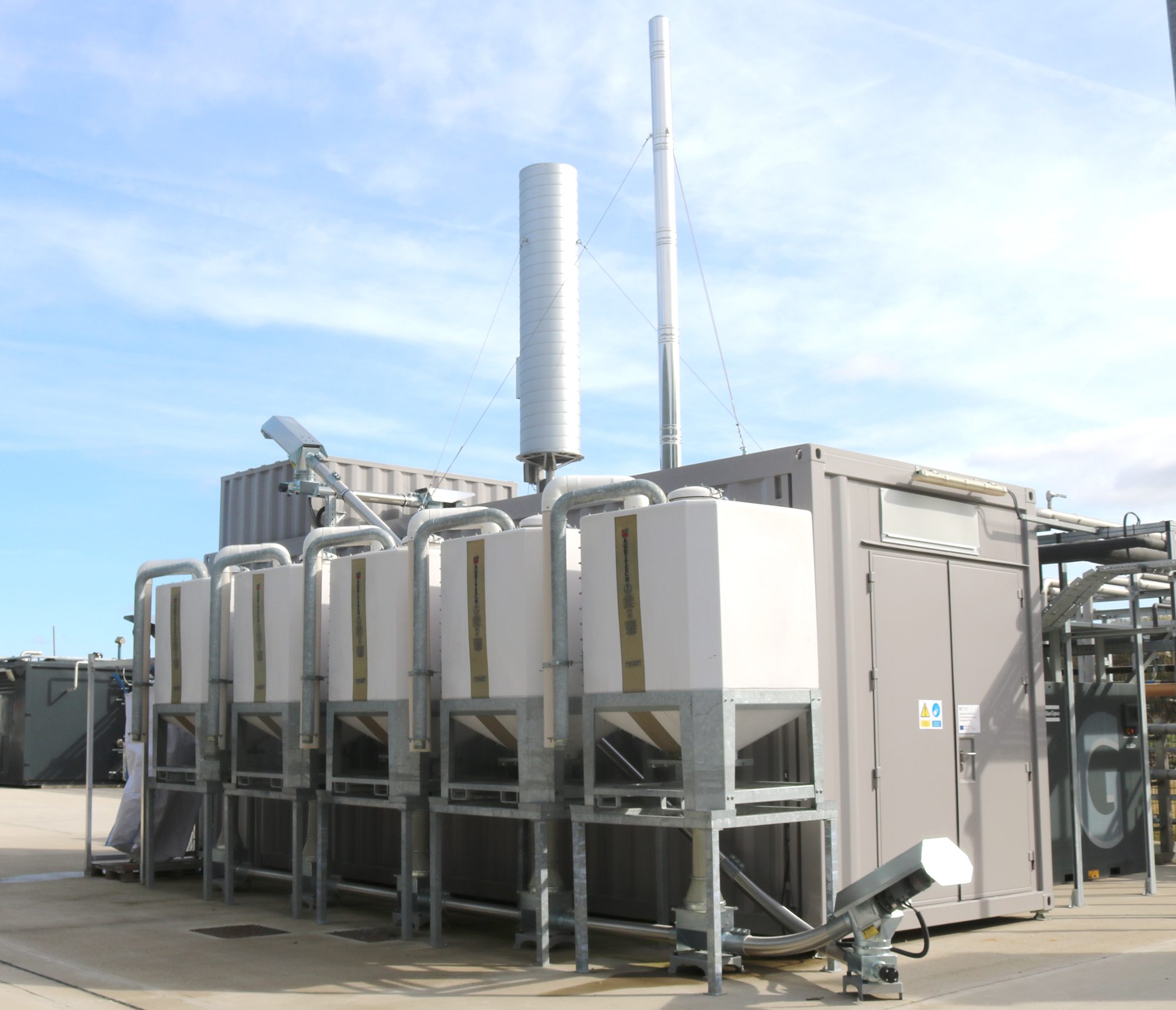
At the EIC, we research various low-carbon fuels crucial for decarbonising power generation across industries. These include a range of bio-based fuels in solid (biomass, bio-wastes), liquid (biodiesel, sustainable fuels), and gaseous (biogas/syngas) states.
Biomass and waste fuel boilers convert these fuel resources into power such as heat or electricity. A wide range of fuels can be used, such as virgin or recycled wood, agricultural waste or food processing residues. Through their combustion as a replacement for fossil fuels, key carbon-intensive sectors can reduce their emissions of not only CO2, but also potentially a range of other harmful species.
Our work in this area
An important topic of interest is the comparison of a wide range of fuels, with a particular focus on waste resource utilisation, and assessing their effect on the boiler and associated equipment. Our system is specifically designed for research purposes and is fitted with an array of ports within the combustion chamber and flue gas passage to allow detailed characterisation across key locations of interest.
Our research focus includes flue gas and particulate matter emissions and the characterisation of metal partitioning in the ash streams to assess their impact on deposition and corrosion, as well as on downstream facilities such as CCUS plants.
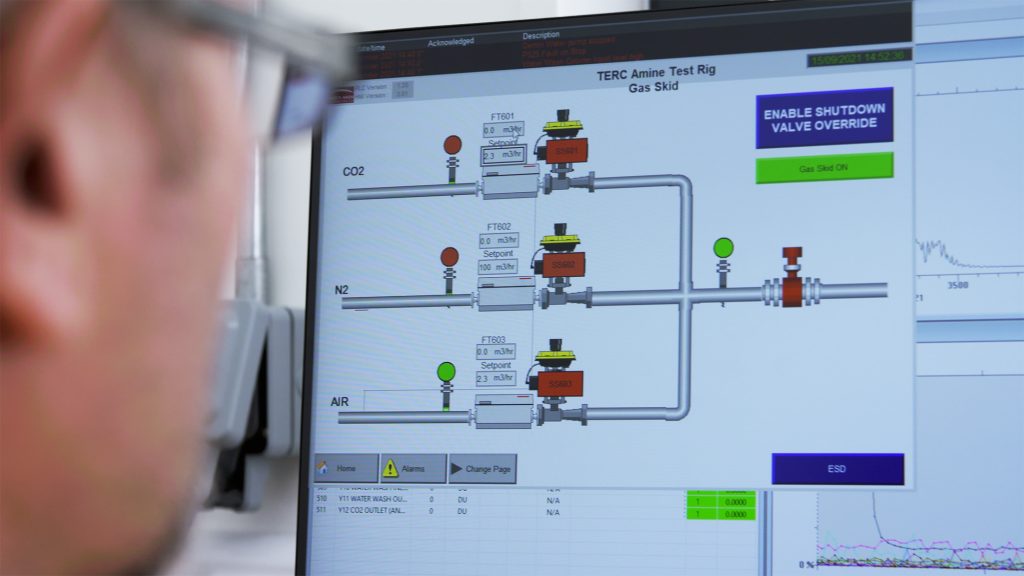
To combine this process with carbon capture research, the flue gas train is fully integrated with the on-site Amine solvent-based capture plant and can provide flue glasses produced by a wide range of fuels.
Partnerships
We have collaborated with several industrial partners such as Nuada and Hargassner, and secured funding from bodies such as EPSRC, UKCCSRC and DESNZ.
Specific research interests
- Fuel performance and combustion characterisation comparing a wide range of biofuels and waste streams
- Metal partitioning between bottom and fly ash streams and effect on downstream CCUS plant performance
- Deposition and corrosion studies
- NOₓ and sulfur compound formation
- Particulate matter (PM) emissions
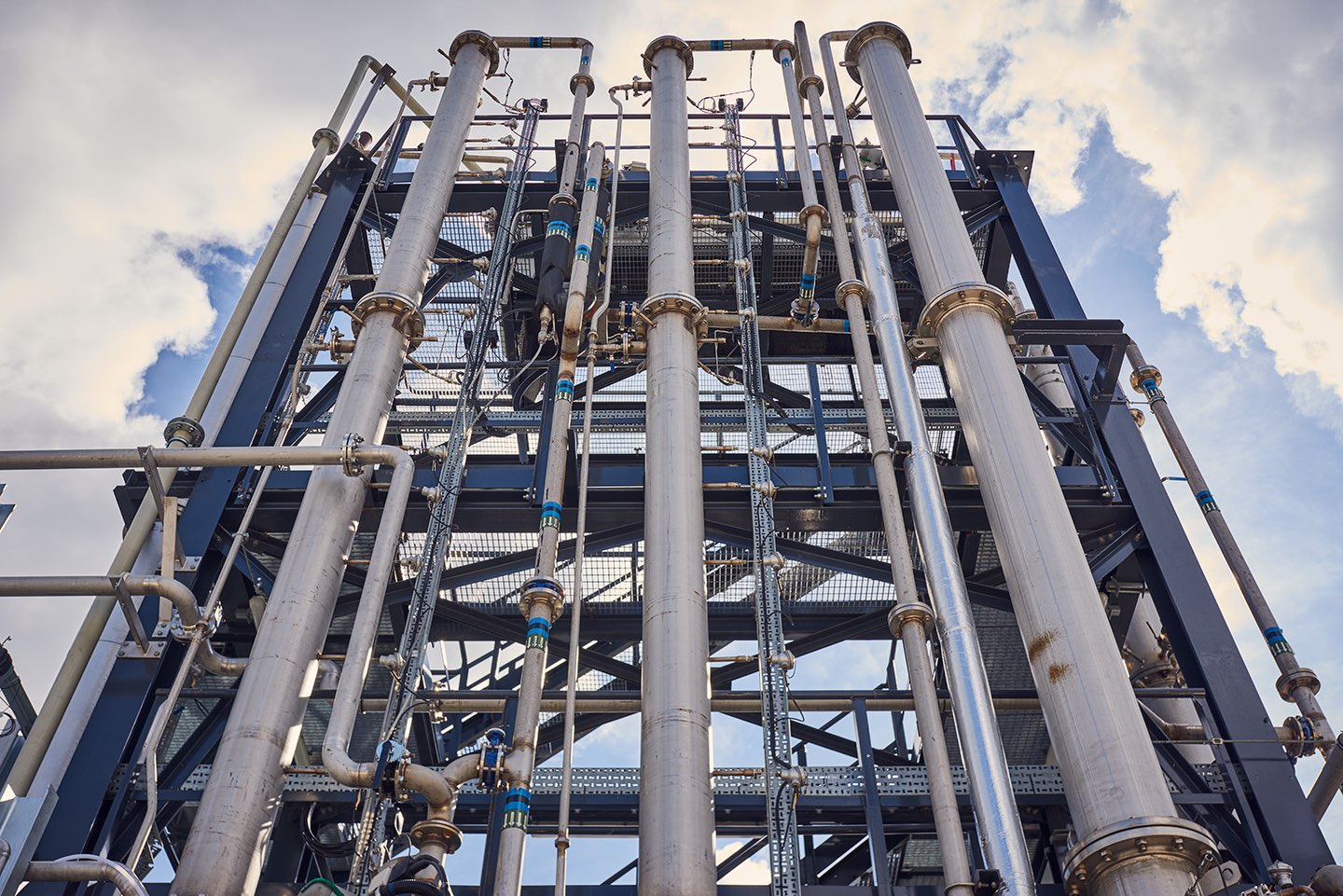
Amine solvent-based carbon capture plant
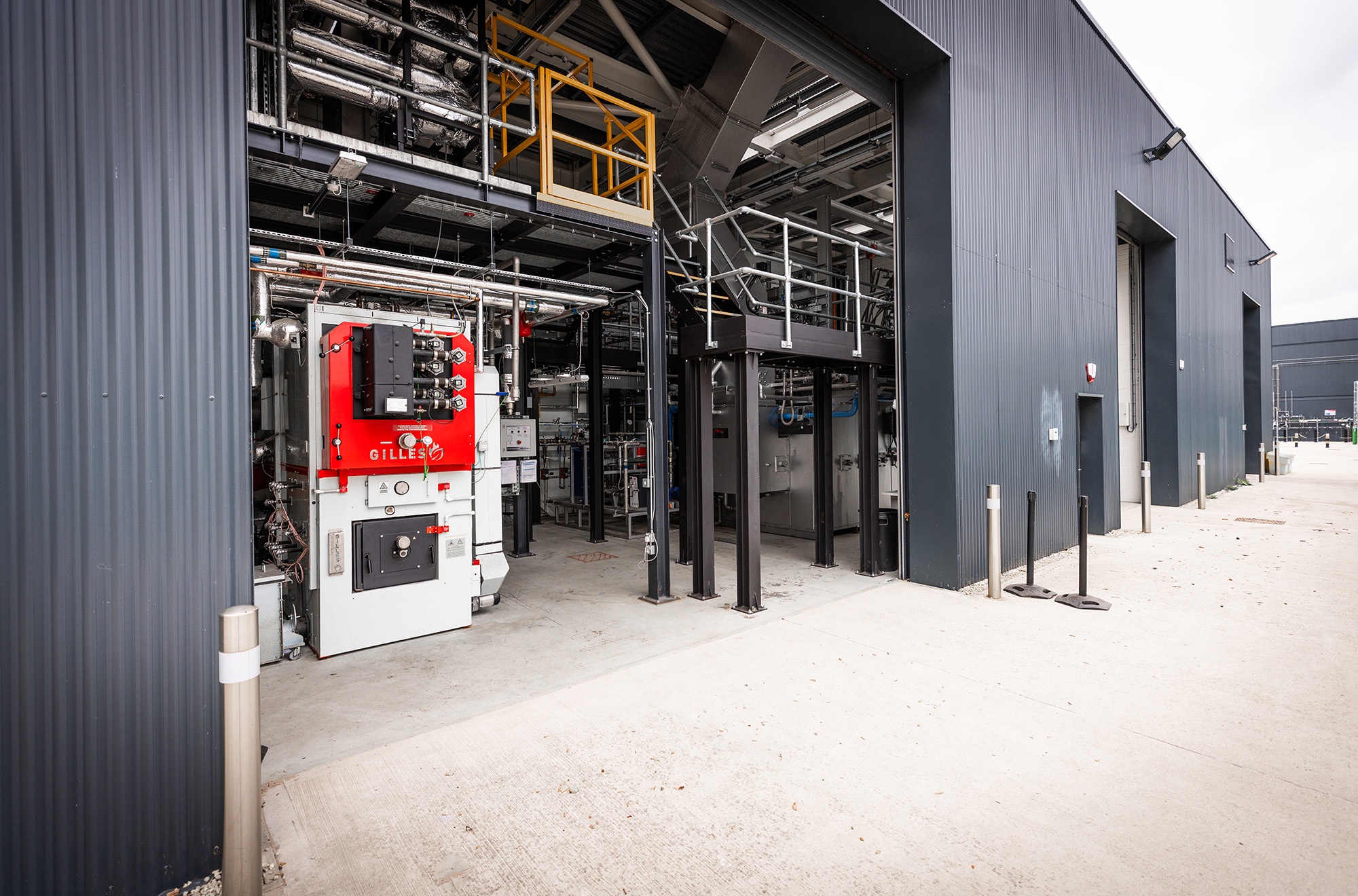
Organic Rankine Cycle (ORC)
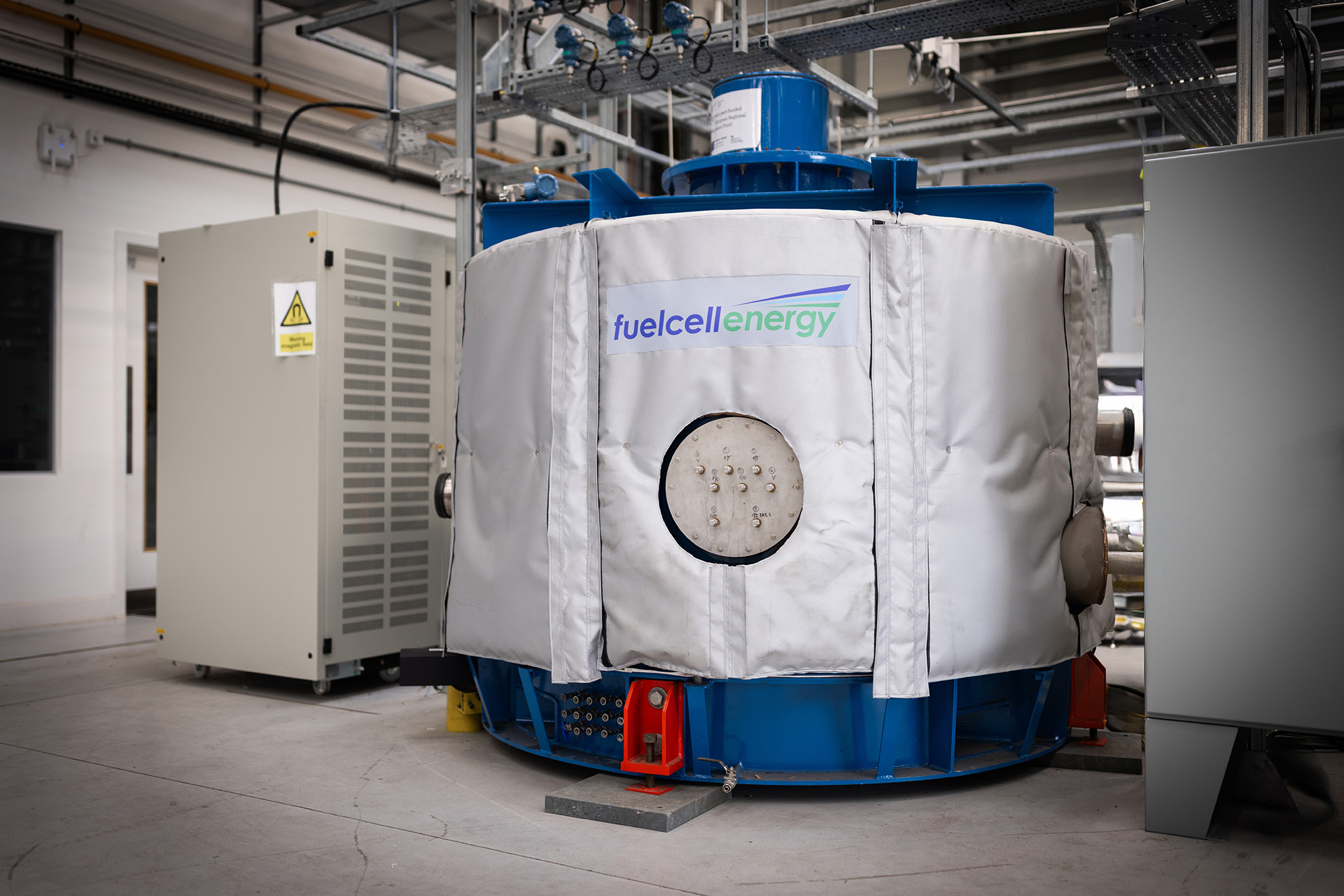
Advanced Molten Carbonate Fuel Cell (MCFC)
Related research
Explore our expertise in similar research areas.
View all