Research, test and validate your sustainable aviation fuels (SAF)
New aviation fuels must go through rigorous assessment before they can be brought to market, including chemical composition, physico-chemical properties, and fit-for-purpose testing.
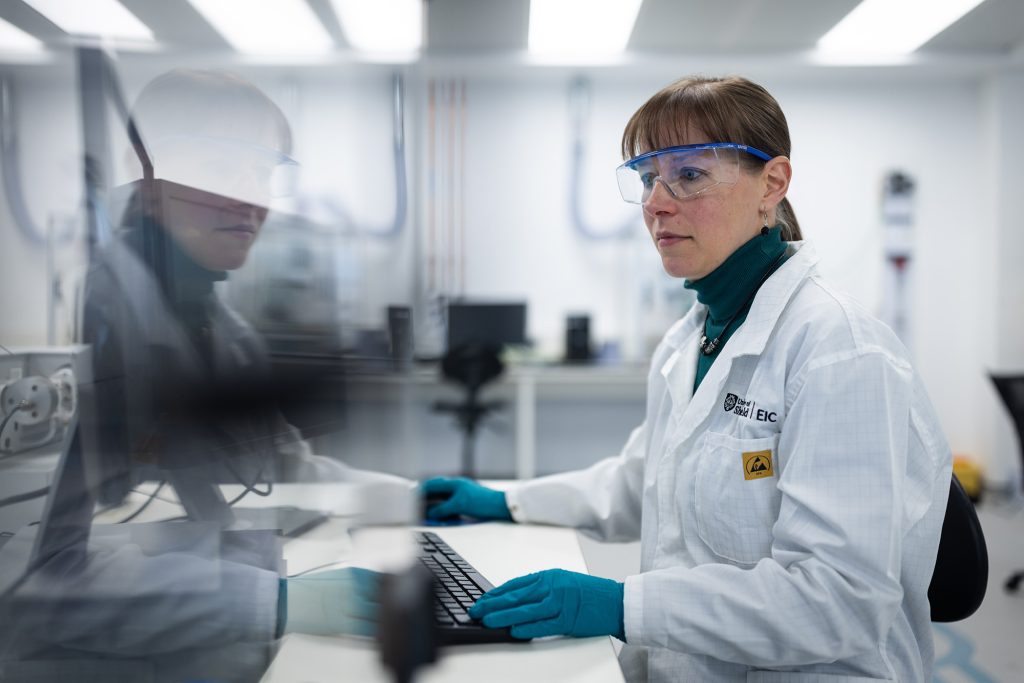
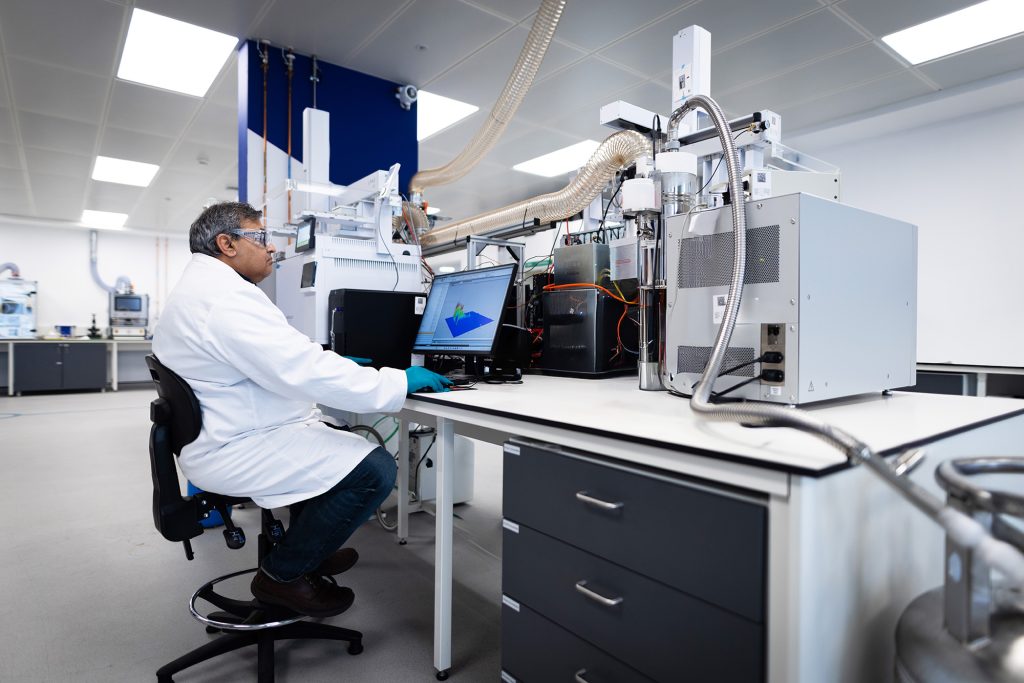
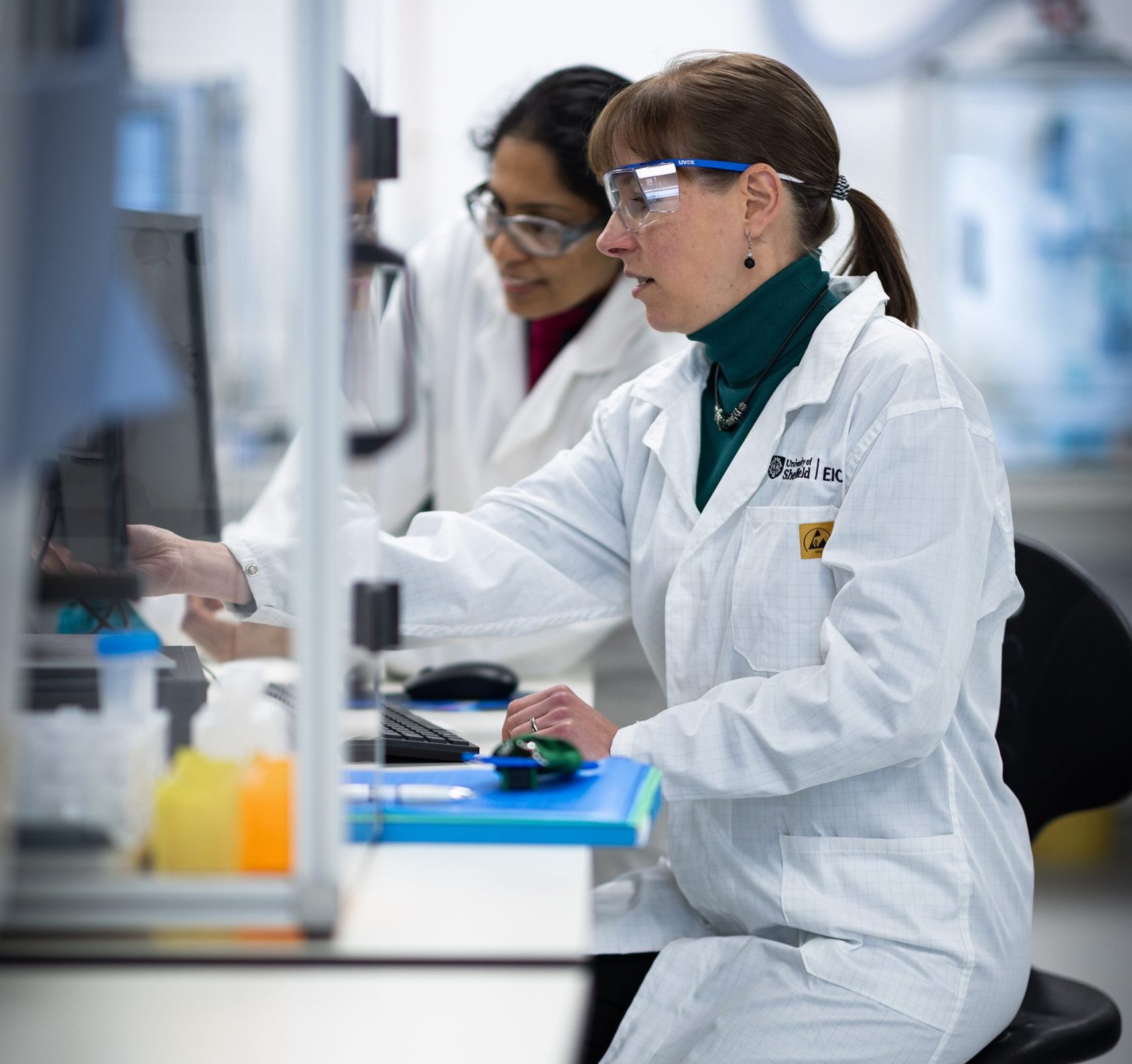
Our SAF laboratory is one of the best-equipped facilities in the UK to carry out these assessments.
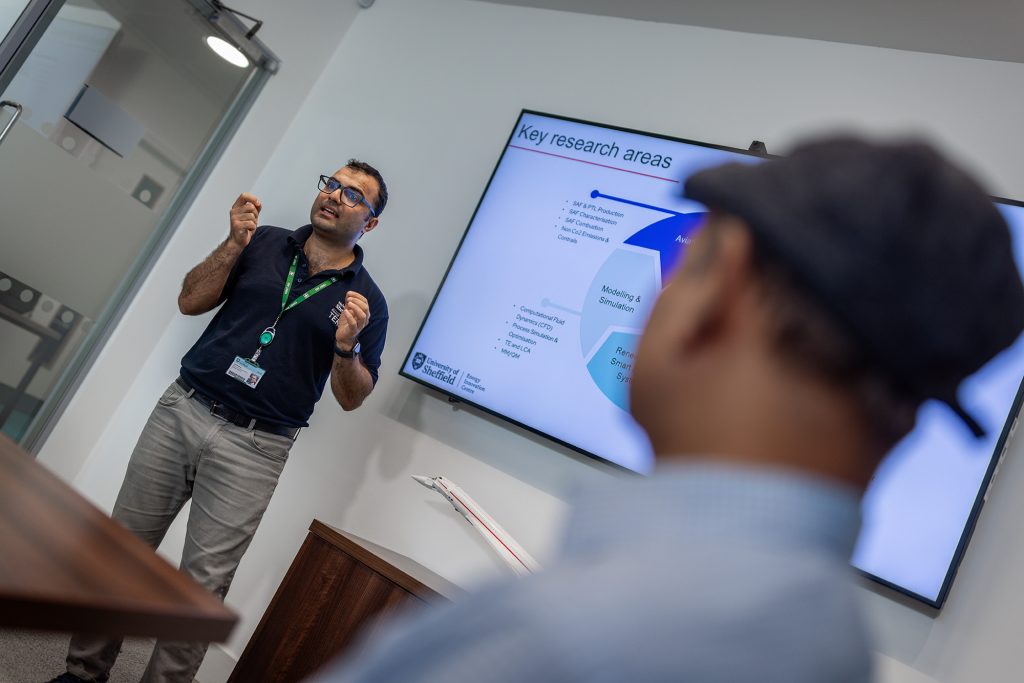
Our experts can assist at any point in the development process, from performance to emissions and characterisation to assessment and certification, with bespoke testing programmes to design and develop SAF quickly and cost-effectively.
State-of-the-art, internationally recognised fuels testing
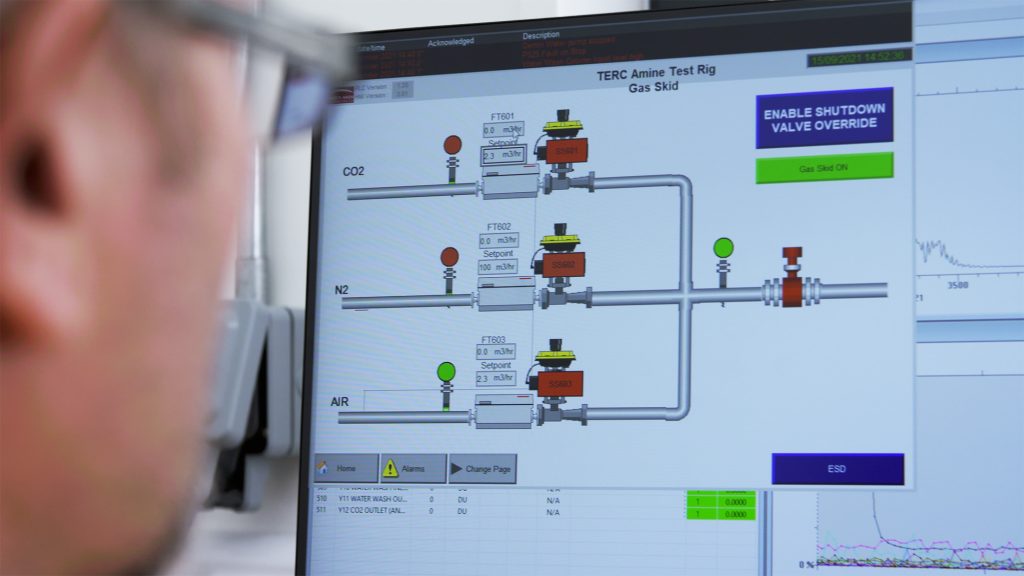
We offer comprehensive compositional qualitative analysis of your fuel at the pre-combustion, combustion and post-combustion stages.
Our state-of-the-art laboratory allows us to assess samples for a wide range of chemical, physical and thermal properties, as well as thermal oxidative stability.
All our work adheres to ASTM standards, including ASTM D1655, D4045, and D7566, ensuring that successful fuels are suitable for sale and use in aircraft worldwide.
And, once fuels are being produced at full scale, we can also test samples to ensure that high quality fuel production is maintained.
Our comprehensive fuel tests meet a wide range of ASTM standards:
- Density (ASTM D4052)
- Viscosity (ASTM D455/D7042)
- Flash point (ASTM D56/D3828/D93)
- Freeze point (ASTM D2386/D5972)
- Vapor pressure (ASTM D6378)
- Heat content (ASTM E1269)
- Distillation (ASTM D2887)
- Total acid number (ASTM D3242)
- Water content (ASTM D6304)
- Sulphur content (ASTM D5453/D2622)
- Thermal and electrical conductivity (ASTM D2717/D2624)
- Small scale thermal stability testing facilities (ASTM D3241/D6811/D4054)
No matching posts found.
Related research
Explore our expertise in similar research areas.
View all