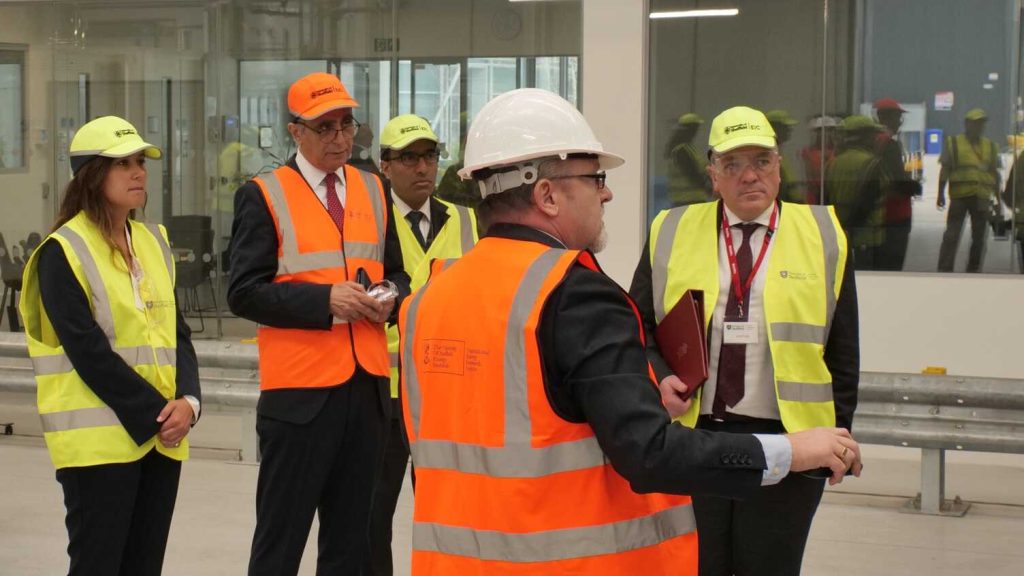
Renewable energy company Drax has become the latest founder member of the University of Sheffield’s newly-launched Energy Innovation Centre, to drive forward research into next generation carbon capture technology, including innovations in bioenergy with carbon capture and storage, or BECCS.
- Renewable energy company Drax joins Boeing as the second founder member of the University of Sheffield’s Energy Innovation Centre (EIC)
- Partnership will see Drax use Sheffield’s world class research facilities to carry out research and development into next generation carbon capture and utilisation technologies
- Sheffield’s Energy Innovation Centre offers partners from industry access to two of the University’s world class research facilities with some of the largest and most exciting equipment in Europe to test new net zero and low carbon technologies
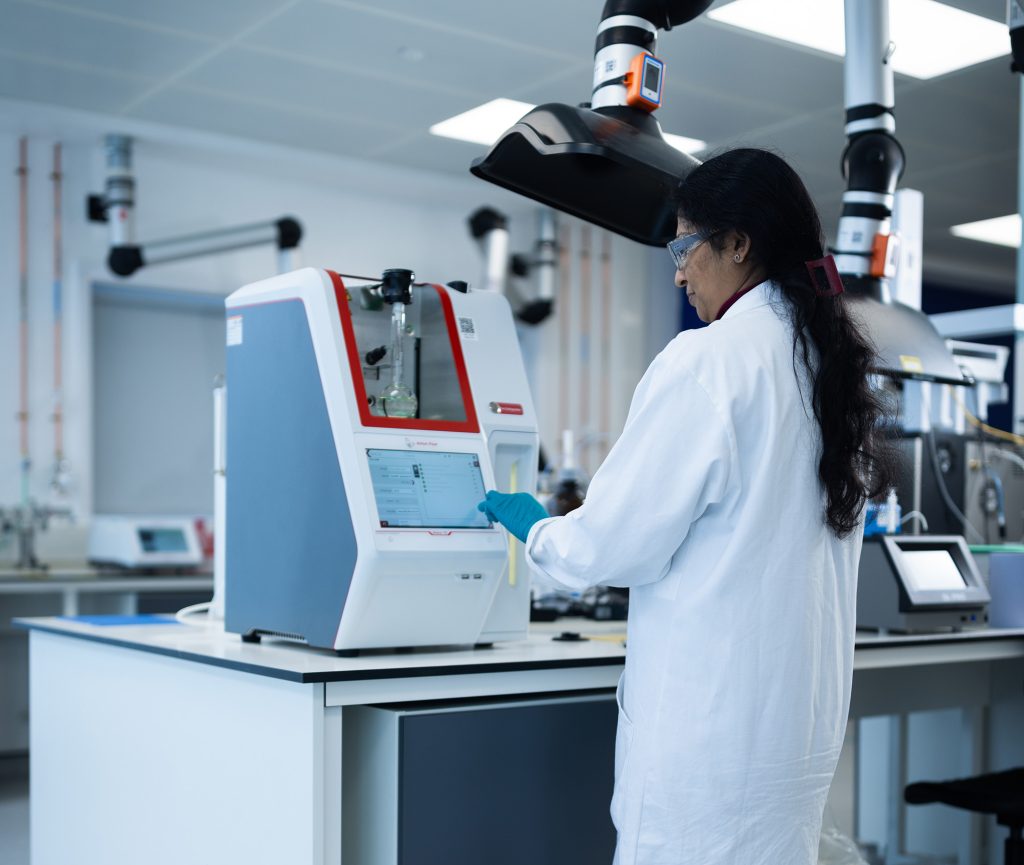
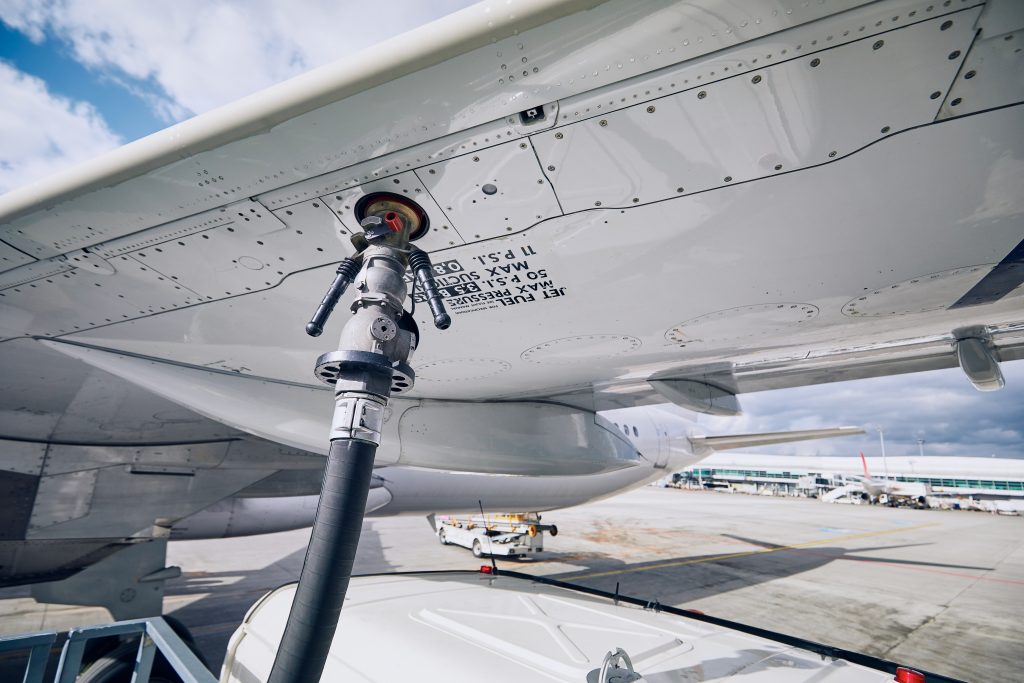
Drax joins Boeing as the second founder member of the Energy Innovation Centre (EIC), launched by the University of Sheffield Energy Institute, which offers partners from industry access to two of the University’s newest world class research facilities. The first – the Sustainable Aviation Fuels Innovation Centre (SAF-IC), is a first-of-its-kind facility in the UK that tests and certifies new sustainable aviation fuels. The second, the Translational Energy Research Centre (TERC), contains pilot-scale production facilities suitable for investigating different methods of carbon capture, utilisation and storage.
The partnership will use the first-of-their-kind technology available at TERC to carry out research and development into carbon capture and utilisation technologies, and to investigate the use other routes to decarbonise and defossilise industry, including renewable natural gas, hydrogen, battery storage and new BECCS technologies.
In particular, Drax will look at BECCS, a process in which carbon dioxide from using biomass as an energy source, such as wood pellets or agricultural residues, is captured and stored. Because plants absorb carbon dioxide from the atmosphere, the process results in negative emissions.
Access to the equipment at TERC, including the first-of-its-kind Molten Carbonate Fuel Cell, and a grate-fired biomass boiler which enables studies into BECCS, will mean Drax can carry out pilot-scale testing on some of the most cutting-edge carbon capture rigs in the UK.
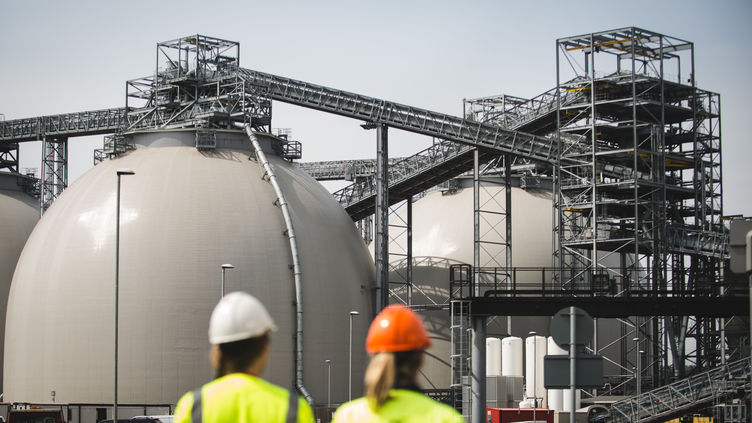
Drax is the second largest producer of sustainable biomass globally, and its biomass power station in North Yorkshire is the UK’s single-largest source of renewable power by output.
The new partnership with TERC aims to further demonstrate and understand the opportunities for new forms of energy and application of BECCS in the UK’s energy and industry landscapes.
Professor Mohamed Pourkashanian, Managing Director of the University of Sheffield’s Energy Innovation Centre: “We are excited to welcome Drax as a founding member of the EIC. Drax’s commitment to furthering renewables and other low-carbon sources of energy make them an ideal partner for driving research and development in these areas.
“Combined with the expertise of the researchers at TERC, we hope Drax’s work within the EIC will lead to impactful, practical applications of innovative processes and technology. We look forward to working with Drax and to the continued growth of the EIC.”
Jason Shipstone, Drax’s Chief Innovation Officer, said: “This new partnership between Drax and the University of Sheffield is hugely exciting for the carbon removals sector. The incredible facilities, and the global academic excellence of TERC, will enable Drax to innovate further as we look to deploy BECCS technology at scale in the coming years.
“Governments around the world are increasingly turning to BECCS in the fight against climate change as it is the only technology which can simultaneously remove carbon dioxide from the atmosphere while generating dispatchable renewable electricity.”